
Mulo Chechki | Bengali Stir-fried Radish
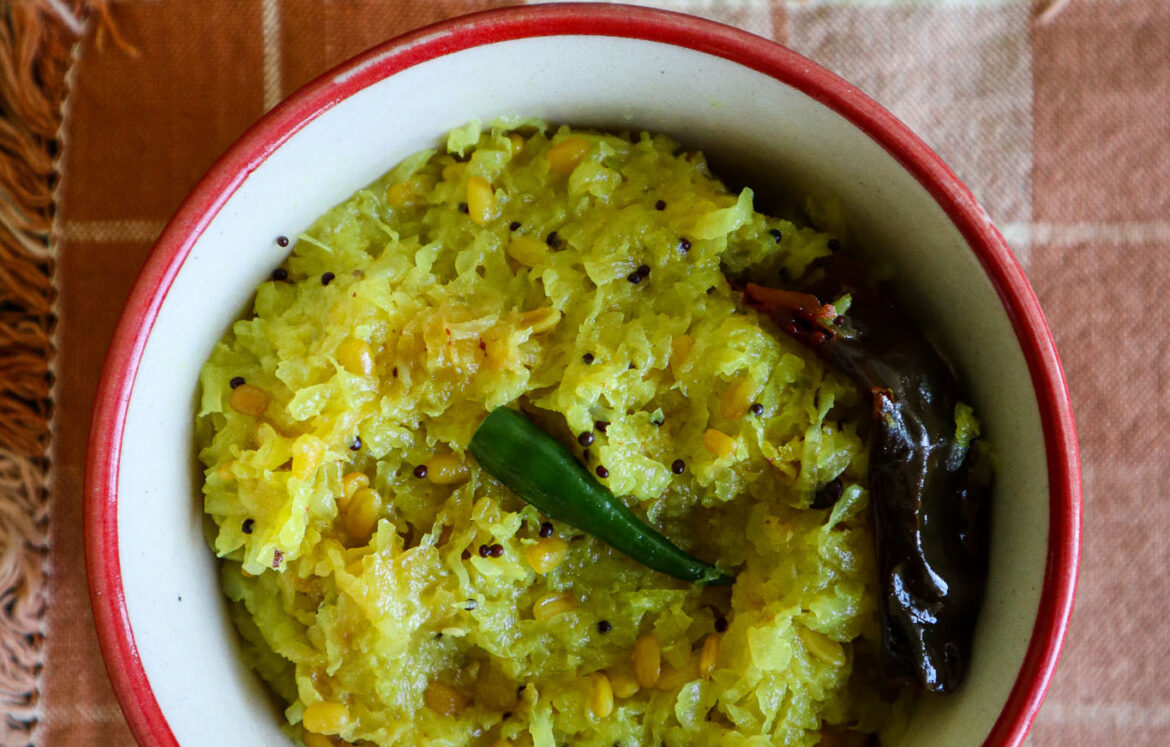
A Bengali winter delicacy where the humble radish shines, its natural sweetness evident in every morsel; goes well with rice, roti or paratha.
In Bengali language, the term ‘chechki’ is used for any vegetable that is grated and stir-fried with minimal seasoning. It’s a dish in which the vegetable – radish and pumpkin being the more preferred – are allowed to cook slowly in their own juices, thus allowing the natural sweetness of the vegetable to shine through.
Now here’s some additional information about the word ‘chechki’ because I do love trivia
- Chechki is an archaic term for the word ‘grated’
- Chechki is an old word used for the steel ladle, a fixture in Bengali (and Indian households); while the colloquial usage in cities may have reduced, it’s a word oft used in my ancestral village
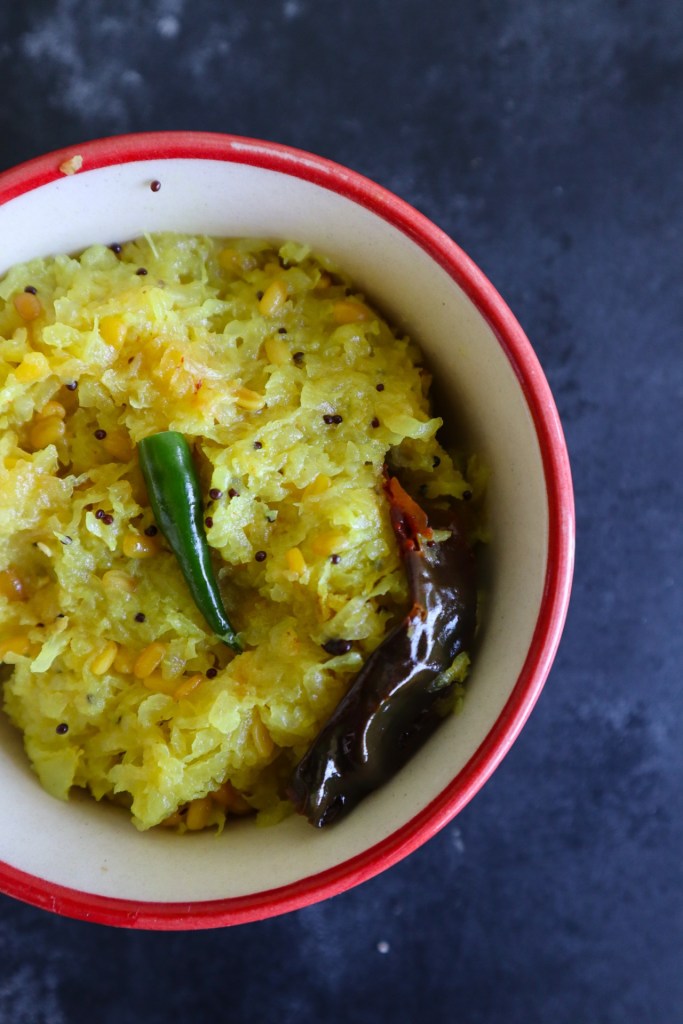
TIPS TO MAKE THE MULO CHECHKI
- Always, always pick a healthy and big radish simply because, as it cooks, the quantity will reduce.
- Don’t squeeze out the vegetable juices.
- I’d recommend using a kadhai but if you don’t have one, cook it in a pan with a lid.
- Tastes best when paired with piping hot steamed or boiled rice.
- The mulo chechki makes for an excellent paratha stuffing.
- You can replace the radish with raw pumpkin to make kumdo chechki, aka slow cooked pumpkin stir fry.
If winter in your part of the world means a whole lot of fresh, seasonal vegetables, then you must try these recipes – Pumpkin Carrot & Spring-Onion Soup, Green Garlic Mashed Potatoes, Pumpkin & Carrot Pasta, Carrot & Date Rolls, Fenugreek Leaves Omelets.
