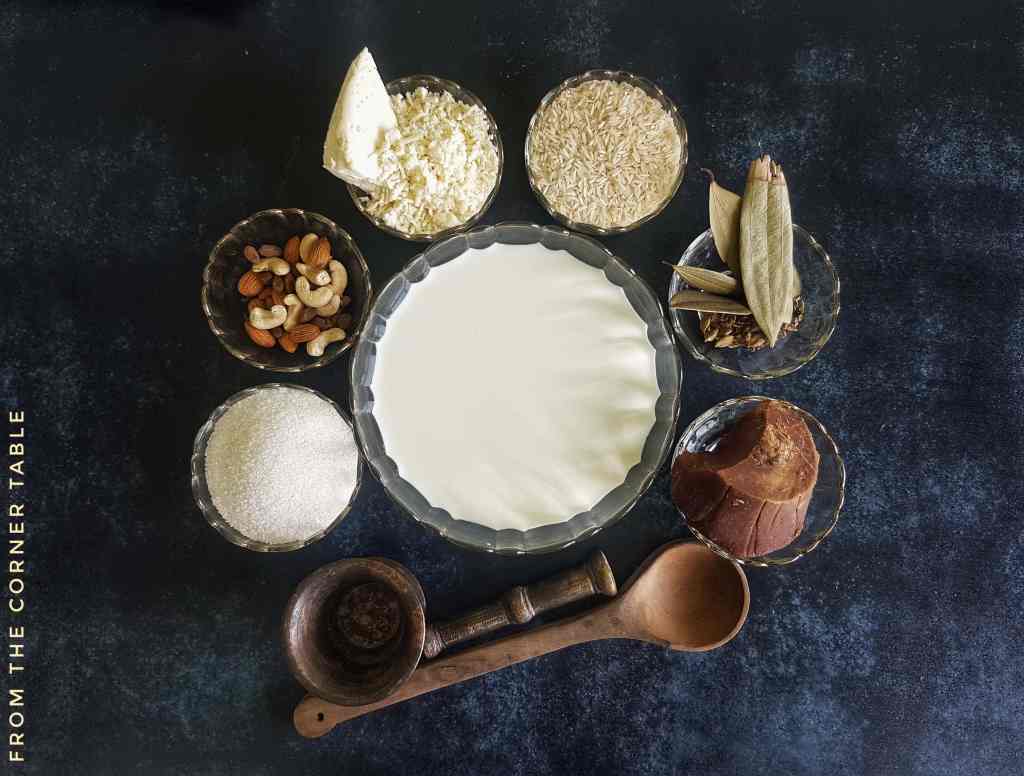
Payesh & Goodwill to Usher in the New Year
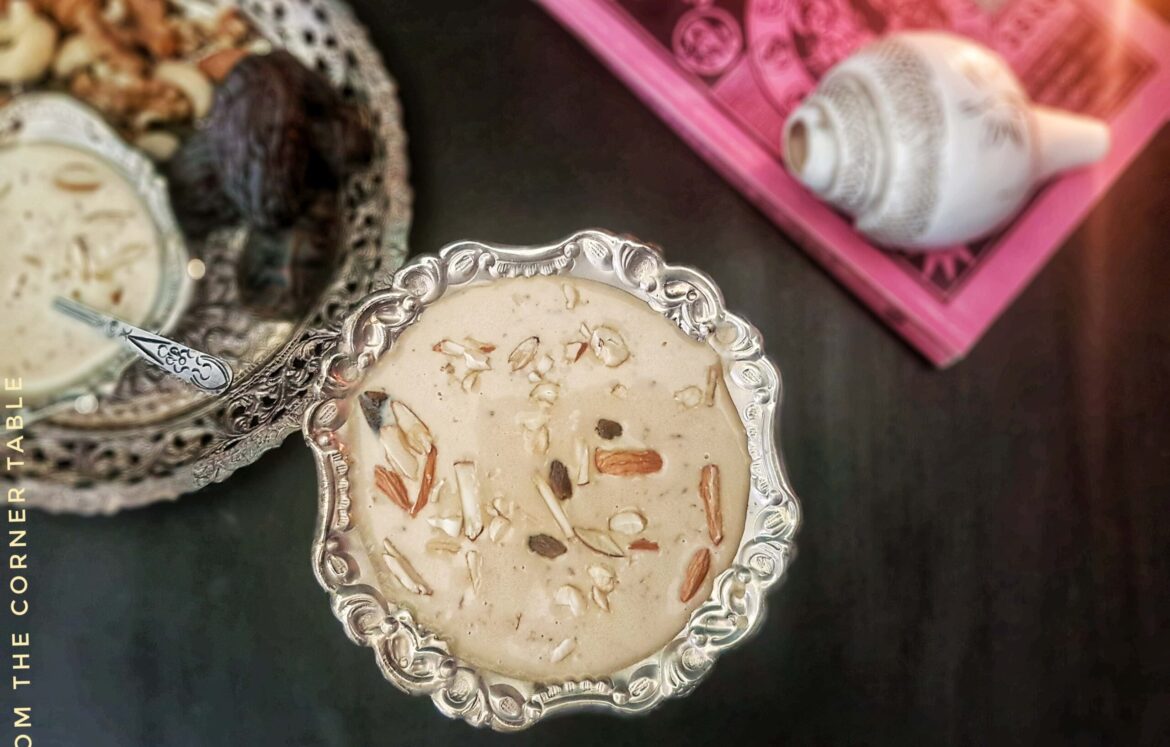
It’s that time of the year! I’ve been waiting for Poila Boishakh, the first day of the Bengali calendar, for some time now. Celebrations aside, the best part of this day is the aroma of traditional food that wafts out of the kitchen. This year, Poila Boishakh is on Sunday, April 15.
The food and rituals, I feel, are a testimony to the synergy that Bengalis have towards their traditions. Not just Bengalis. Peep into the homes in your neighbourhood (not literally!) and you will see the Assamese, Malayali, Sikh, Tamil households busy cleaning house, prepping to greet guests and cooking up a storm. A sign of the earnest desire to cherish traditions. These are among the several communities in India that will be celebrating the beginning of their New Year on April 14-15.
Over the years, celebration patterns at the Bhaumick household have changed – new and old friends, thought processes, cultural programmes, the manner of rejoicing.
Never the food though. There is comfortable excitement in the known – starting the day with a breakfast of luchi, aloo’r dum and begun bhaaja (fried bread, Bengali style potato curry with fried brinjal), followed by a lavish lunch of two appetisers, a dal, vegetable curries, fish curry, mutton or chicken curry, a few sweets and a must on New Year day, the payesh. Our New Year days don’t involve so much food anymore but we don’t miss out on the maangsho jhol (recipe for Bengali style mutton curry) and the payesh.
I am not a payesh fan, being lactose intolerant. But I do make an exception for Khejur Gur Payesh. Made with date palm jaggery that is available in the winter months only, it is a Bengali speciality. So this year, I decided to learn how to make my favourite. And because New Years are about going overboard, I also learned to make Chhana Payesh – a milk pudding made with chhana or paneer. Chhana is a type of cheese curd; process it further and you get paneer. No Indian store nearby? Make chhana at home, the process is pretty simple as is evident in ‘Churning out homemade chhana/paneer’.
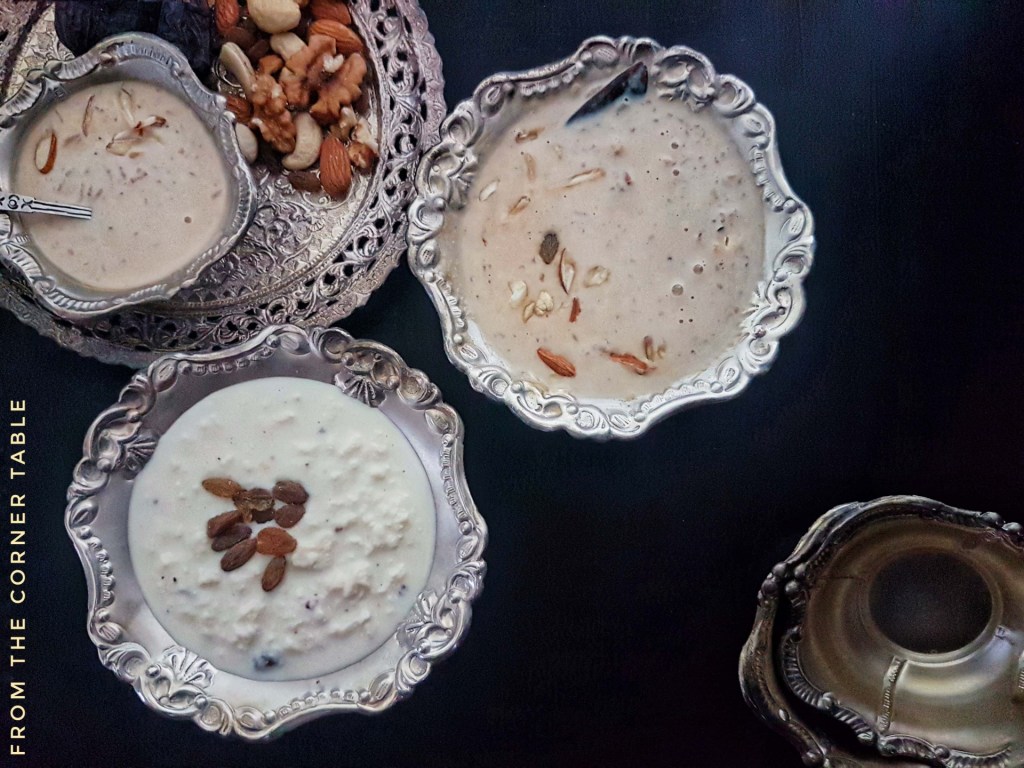
Both recipes require a dedicated hour – a difficult task in summer. Milk-based desserts, in my limited experience, require effort because there is a lot of stirring involved to stop the milk from burning or curdling. But all the effort is worth the final product. There are a few dos and don’ts that you need to keep in mind while attempting the payesh so do read the recipe notes and keep your ingredients handy before the cooking begins.
Post photos of your efforts on social media, let the world marvel at your capability. Tag (and follow) me on Instagram, Facebook, Pinterest. You can also subscribe to get regular recipe updates via email.
Wishing you all a Happy New Year the traditional way…
Shubho Nobo Borsho (in Bengali/Assamese)
Vishu Ashamsagal (in Malayalam)
Baisakhi di lakh lakh vadhaiyan (Punjabi)
Puthandu Nalvazhthukkal (in Tamil)